Made of butter
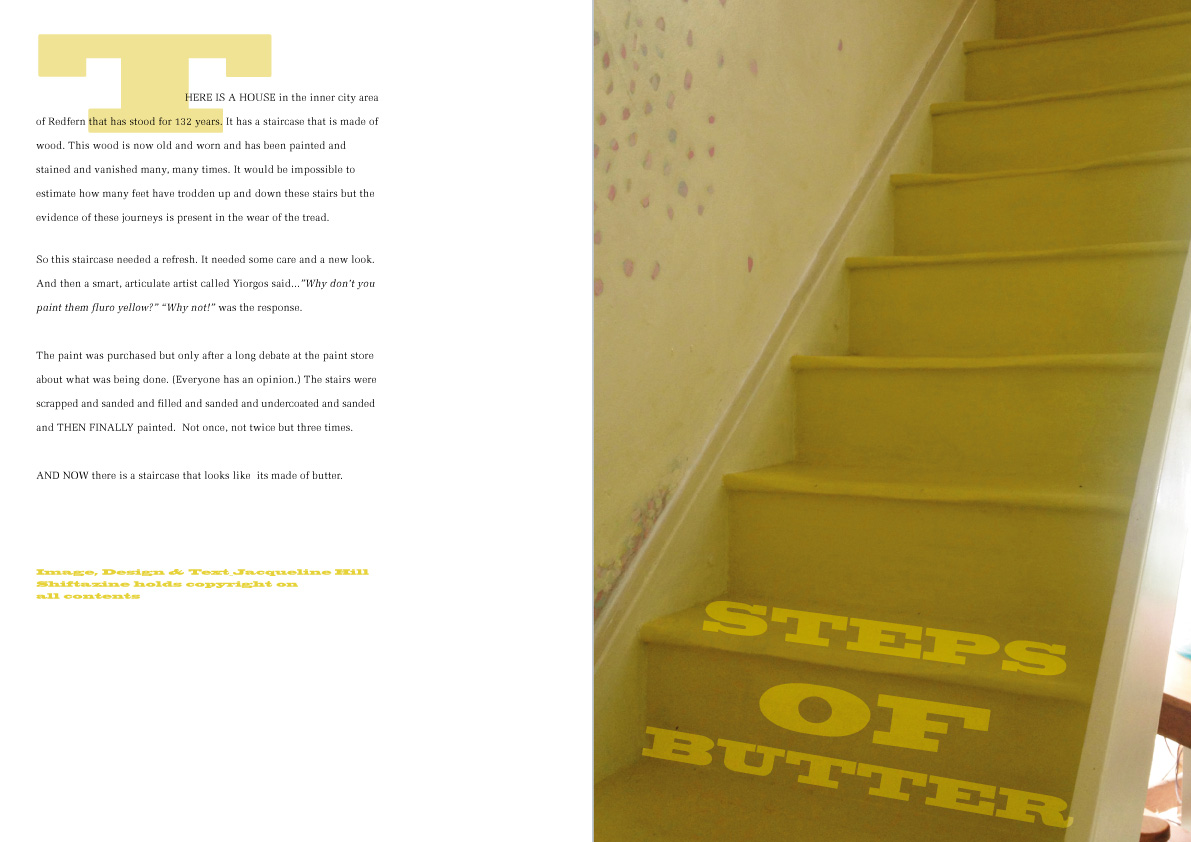
There s a house in the inner city area of Redfern, Sydney, which has stood for 140 years. It has a stair case which is made of wood. This wood is now old and worn and has been painted and stained and vanished many, many times.
It would be impossible to estimate how many feet have trodden up and down these stairs but the evidence of these journeys is present in the wear of the tread. So this staircase needed a refresh. It needed some care and a new look. It was decided to paint the stairs fluro yellow.
The paint was purchased but only after a long debate at the paint store about what was being done. (Everyone has an opinion). The stairs were scrapped and sanded and filled and sanded and undercoated and sanded and then finally painted. Not once, not twice but three coats of paint.
And now the stairs look like they are made of butter (Fluro at that).
Ugly Beautiful

Sometimes a thing is both ugly and attractive at the same time. Sometimes you simply do not know whether you love a thing or hate it. The strange feeling of contradiction settles on all of us from time to time. Op shops, second hands stores, antique markets, car boot sales are often where these feelings of confusion mostly arise.
Do you love this odd object enough to pay good money for it? Even though you do not really like it, and yet you can not stop thinking about it. I bet you can recall one of those moments right now. What we have is an UGLY BEAUTIFUL dilemma. Case in point is this tea set based on sea mollusks, both odd and charming, with a personality all of its own.
The story behind

Salty detritus

The sea spits out many a piece of flotsam and jetsam. Remnants of others’ stories. Nothing but rubbish really. Or is it something? Something that has the potential to become beautiful things. Things that are woven from the sea’s cast off. And how do they come to be? What eye sees them, what hand picks them up? Who possesses the sharp mind that can see the potential of this salty detritus? Judy O’Sullivan is the very person.
Recycling is not a new idea
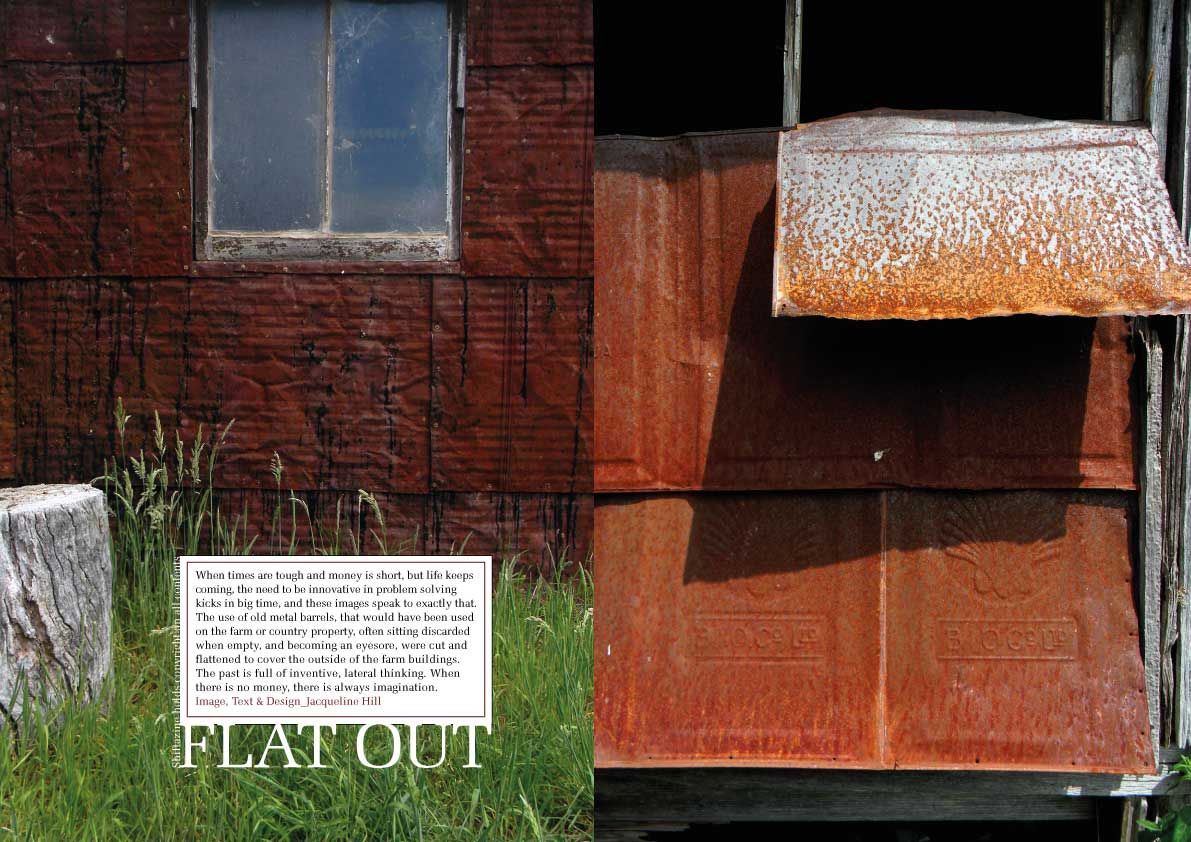
When times are tough and money is short, but life keeps coming, the need to be innovative in problem solving kicks in big time, and these images speak to exactly that. The use of old metal barrels, that would have been used on the farm or country property, often sitting discarded when empty, and becoming an eyesore, were cut and flattened to cover the outside of the farm buildings.
The past is full of inventive, lateral thinking. When there is no money, there is always imagination.
A brush with pretty

A joy!


International Women’s Day 2018

In 2018 women all around the world are still striving to ensure that this statement will be a matter of fact rather than a shared wish. It is up to us, the women of this world, to make this so. But we look to the males of this moral coil to make our challenge easier by becoming our partners in this incredibly important and essential shift in attitude.
The beautiful ceramic featured in this article and the inspiration for it was created by Myfanny Gullifer.
Happy International Women’s Day sisters and brothers. Respect to all of us.
Icon in the House
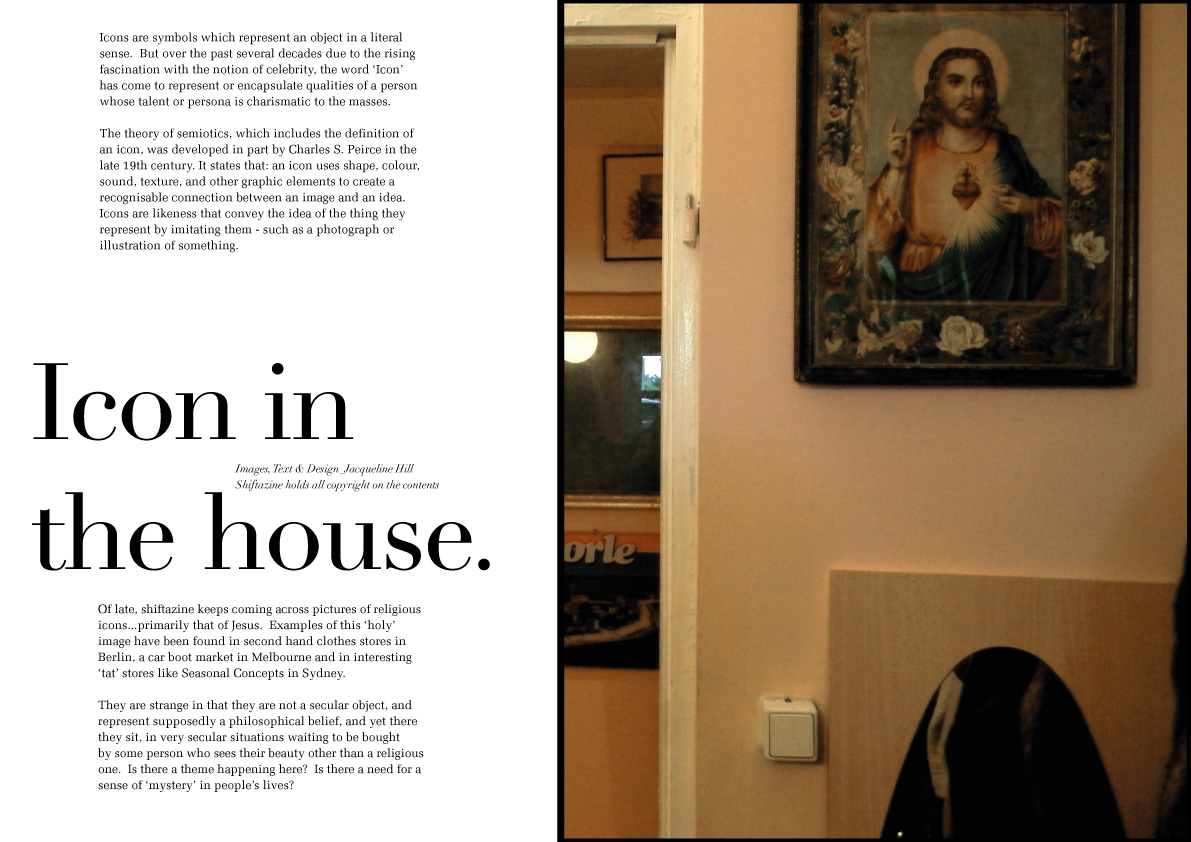
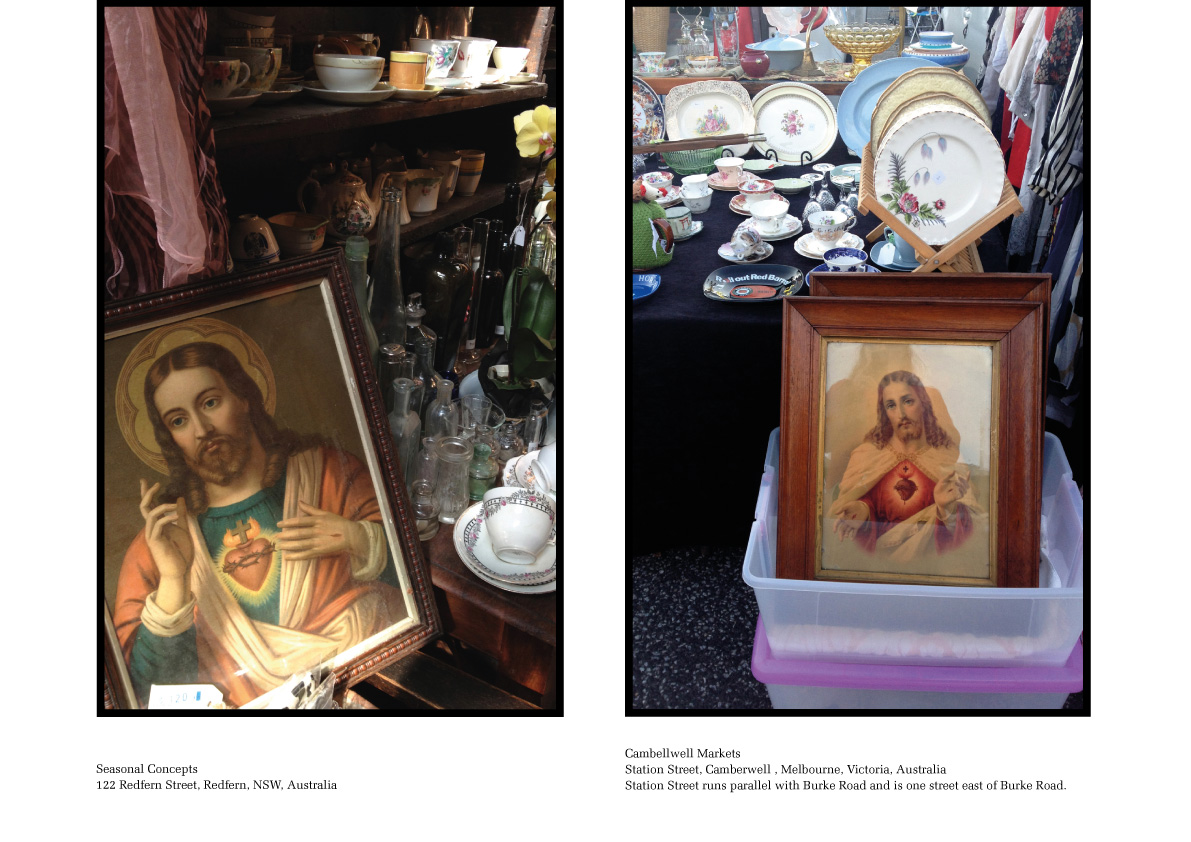
Icons are symbols which represent an object in a literal sense. But over the past several decades due to the rising fascination with the notion of celebrity, the word ‘icon’ has become to represent or encapsulated qualities of a person whose talent or persona is charismatic to the masses.
The theory of semiotics, which includes the definition of an icon, was developed in part by Charles S. Peirce in the late 19th century. It states that “an icon uses shape, colour, sound, texture, and other graphic elements to create a recognisable connection between an image and an idea. Icons are likeness that conveys the idea of the thing they represent by imitating them – such as a photograph or illustration of something.“
Of late, Shiftazine keeps coming across pictures of religious icons…primarily, that of Jesus. These images otherwise referred to as ‘holy pictures’ are strange in that they are not secular objects, and represent a philosophical belief and yet there they sit in a very secular situations waiting to be purchased by someone who sees their beauty beyond the religious connotations.
Is there a need for a sense of mystery in people’s lives? Why are people open to these ‘old school’ images?
Holy decor!
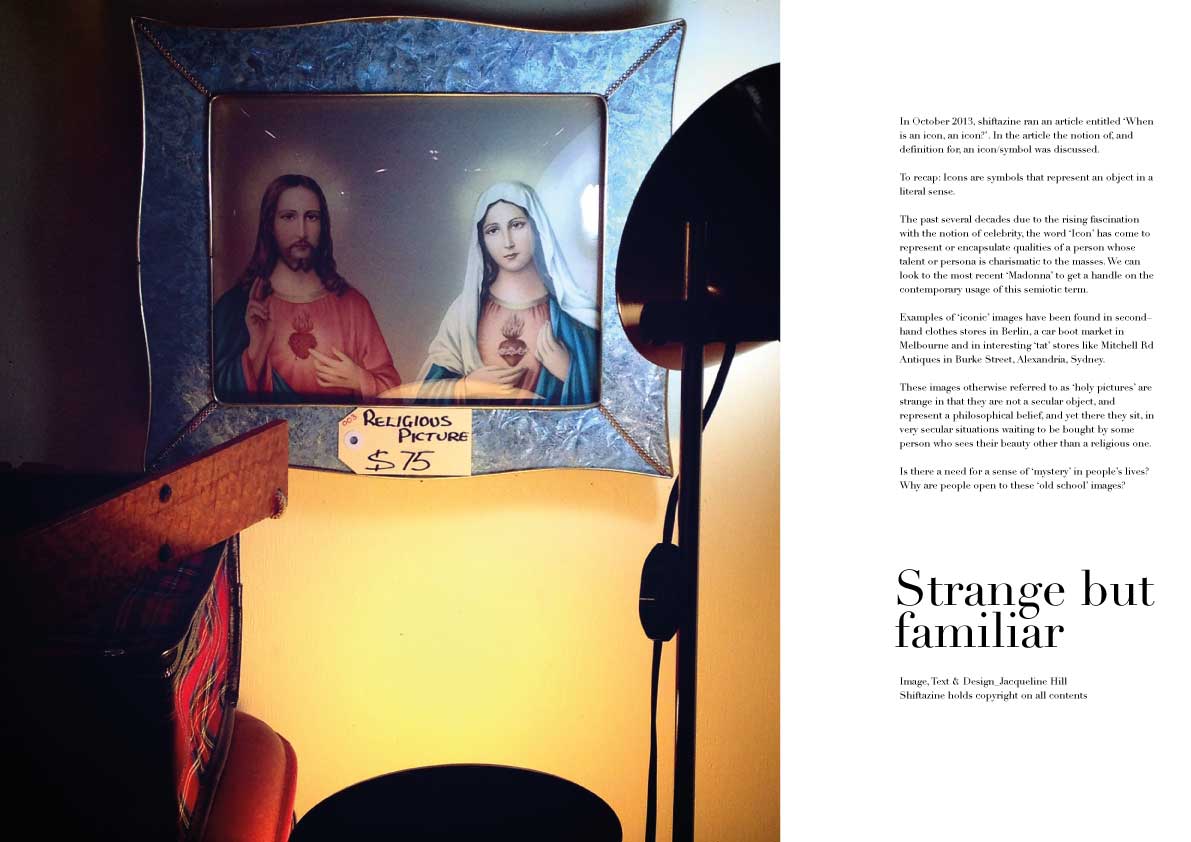
In October 2013, Shiftazine ran an article entitled ‘ When is an Icon, an Icon?’ In the article the notion of, and definition for an icon/symbol was discussed. To recap: Icons are symbols that represent an object in a literal sense.
The past several decades due to the rising fascination with the notion of celebrity, the word ‘icon’ has become to represent or encapsulate qualities of a person whose talent or persona is charismatic to the masses. We can look to the most recent ‘Madonna’ to get a handle on the contemporary usage of this semiotic term. Examples of ‘iconic’ images have been found in second-hand clothing stores in Berlin, a car boot sale in Melbourne and interesting ‘tat’ stores such as Mitchell Rd Antiques in Burke Street, Alexandria, Sydney.
Walls of vinyl

You say tomatoe, I say tomatoe.
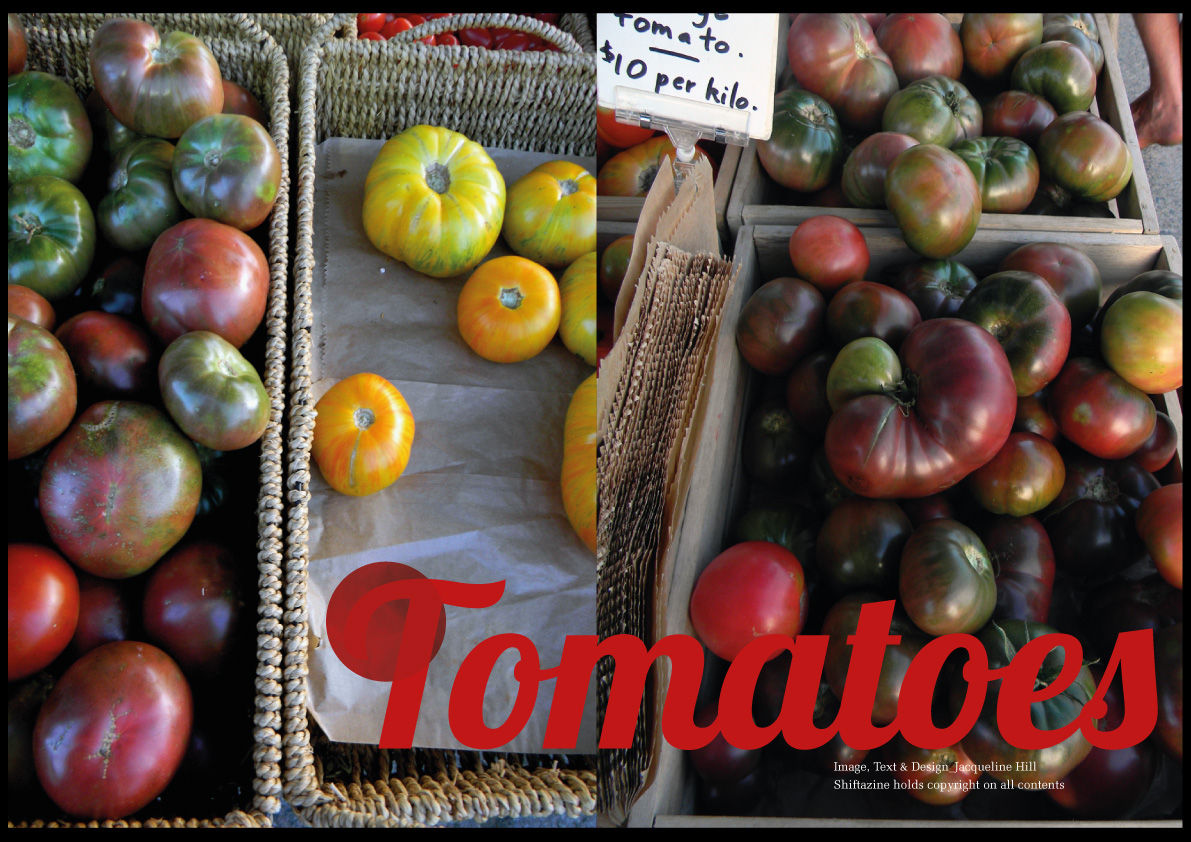

Eat Street, Brisbane, Queensland. The best tomatoes you will ever have.
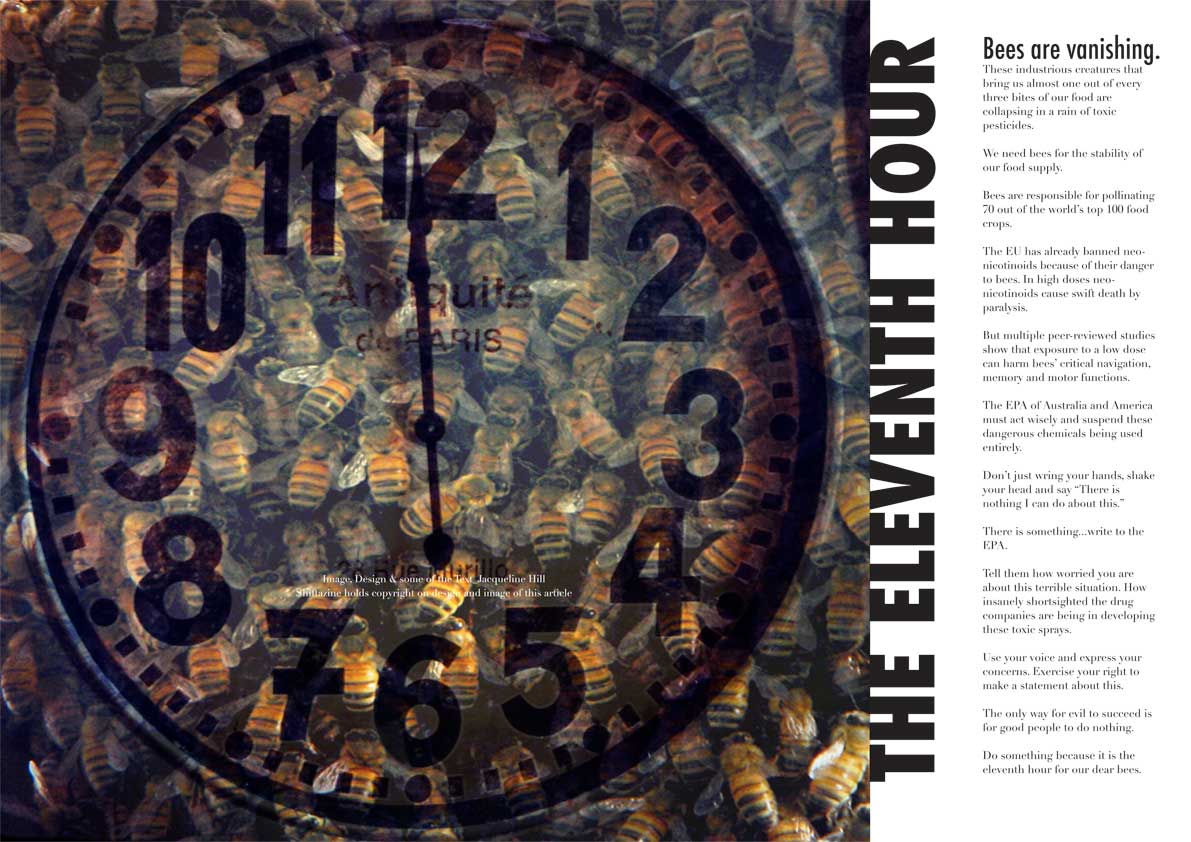
This is scary
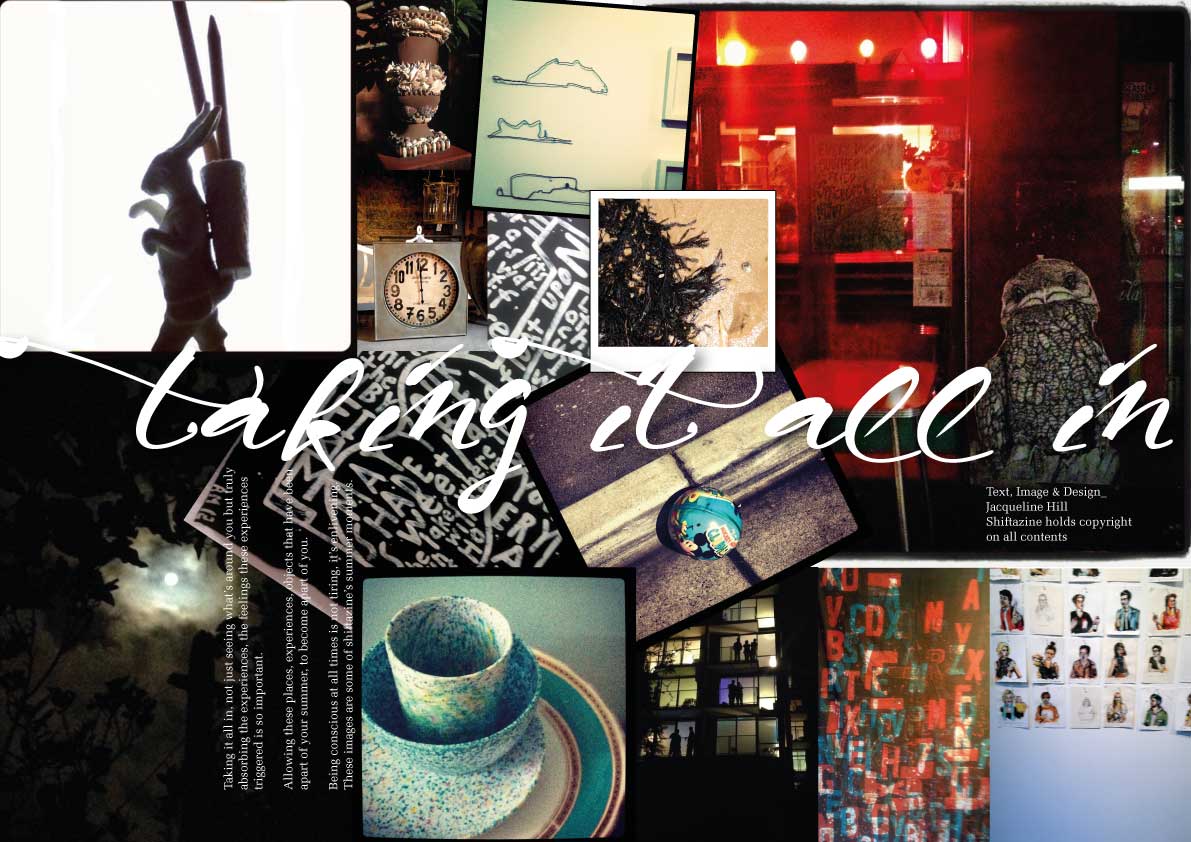
Taking it all in: another year in review

Taking it all in: a year in review
Shiny and bright
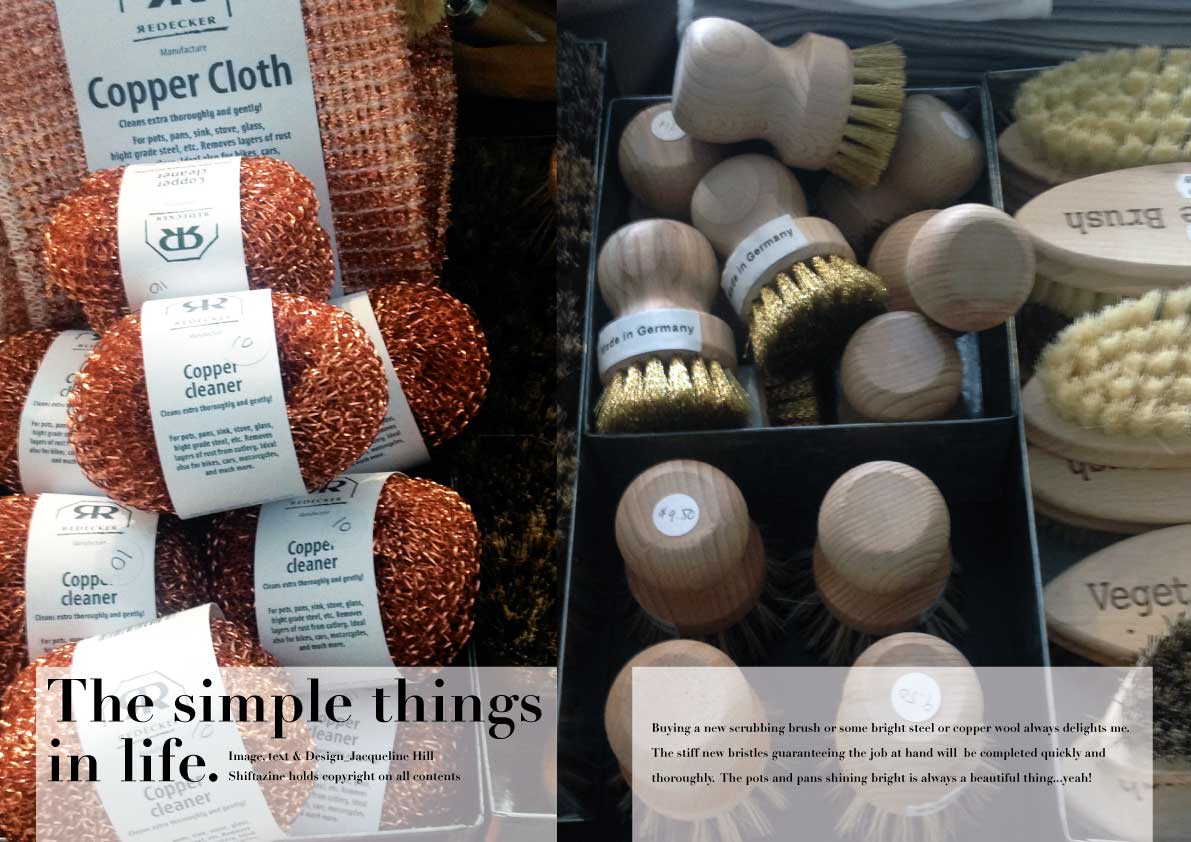
Buying a new scrubbing brush or some bright stell or copper wool always delights me. The stiff, new bristles guaranteeing the job at hand will be completed quickly and thoroughly. The pots and pans shining bright is always a beautiful thing…yeah!!!
Rustle my raffia

Park life

This bag

When life gives you scraps
Imogen and the monster

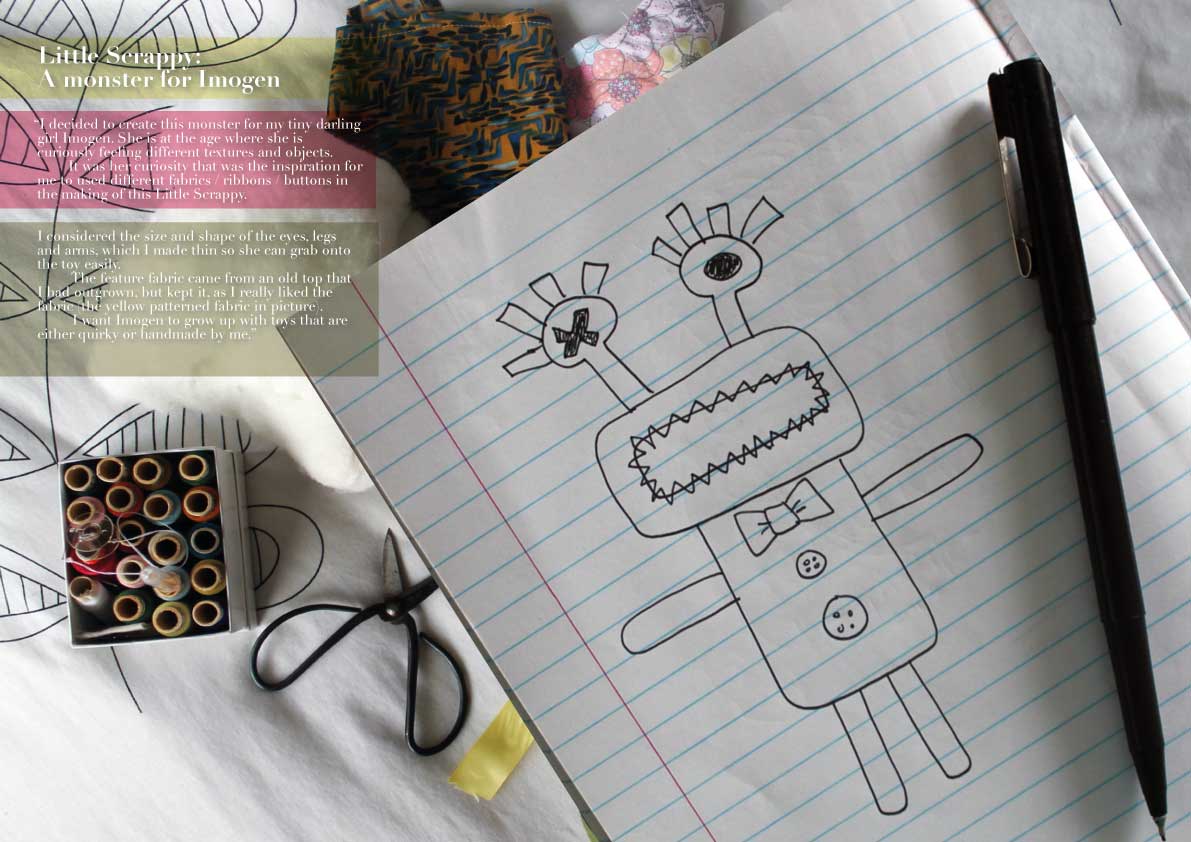
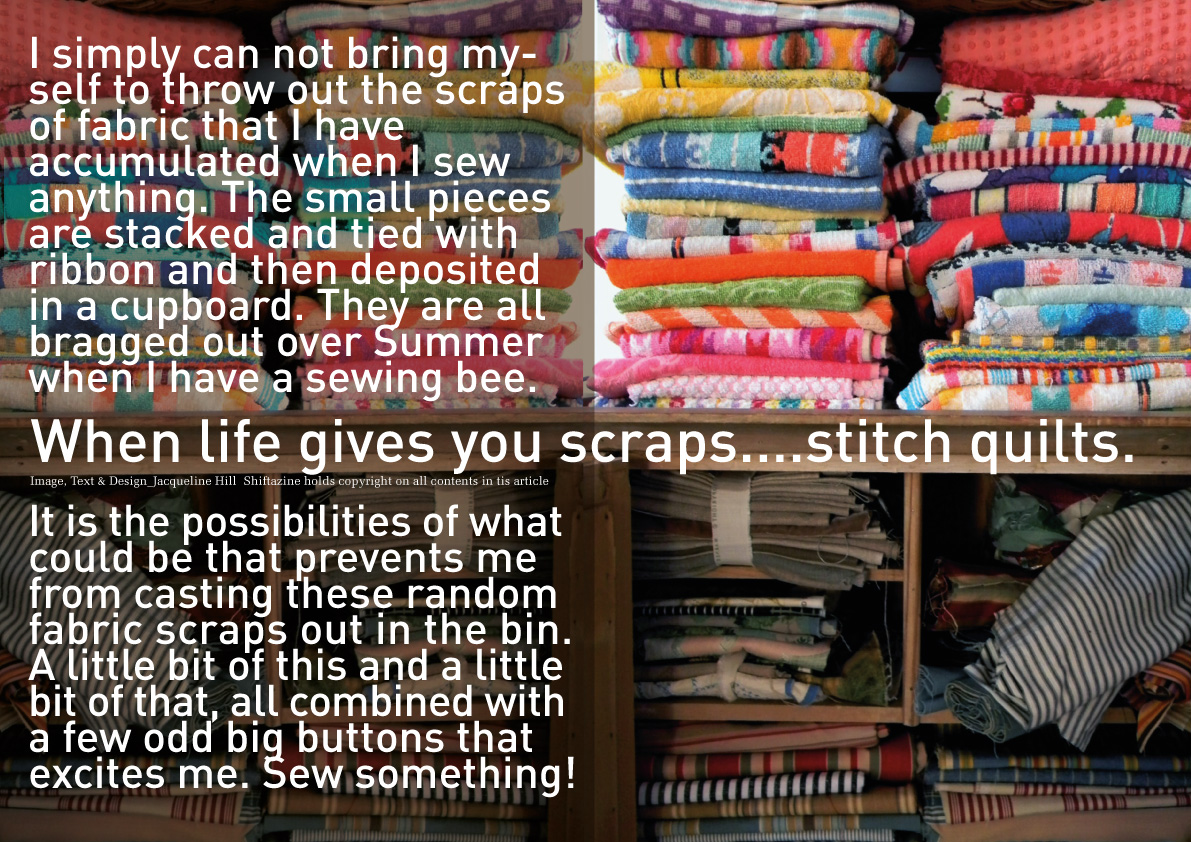
The article ‘When life gives you scraps’ was posted on Shiftazine and it got me thinking deeply about the use of scraps and unwanted tiny pieces of fabric that often populate our draws and cupboards. Coincidentally a friend of mine posted some photos of a crazy looking toy, that she had made from scraps of fabric that were hanging around. After a quick email to her, here is a story overview she sent me about how Little Scrappy was created.
“I decided to create this monster for my tiny darling girl Imogen. She is at the age where she is curiously feeling different textures and objects. It was her curiosity that was the inspiration for me to use different fabrics / ribbons / buttons in the making of this Little Scrappy.
I considered the size and the shape of the eys, legs and arms, which I made thin so she can grab onto the toy easily. The feature fabric came from an old top that I had outgrown, but kept it, as I really liked the fabric (the yellow patterned fabric in picture). I want Imogen to grow up with toys that are either quirky or handmade by me.”
Ot of nothing came something lovely and loving. Love this!
Polarities
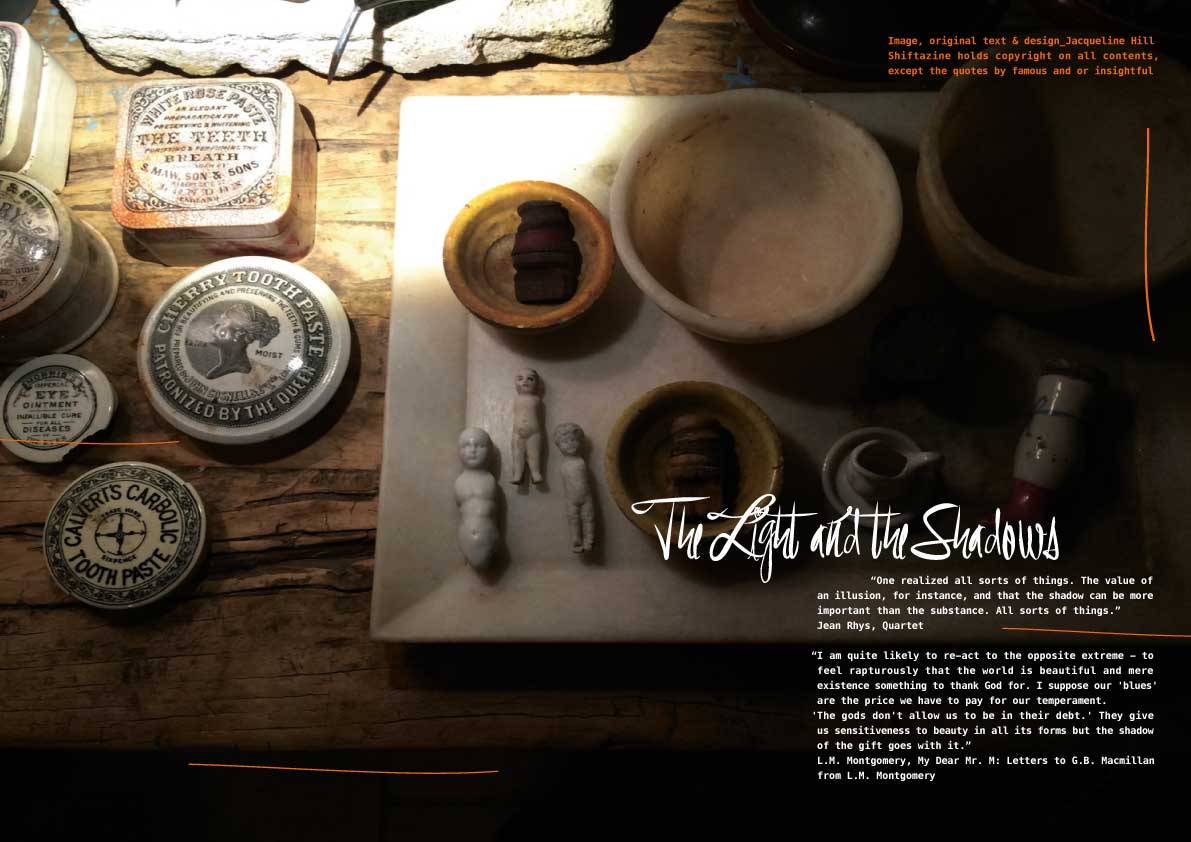
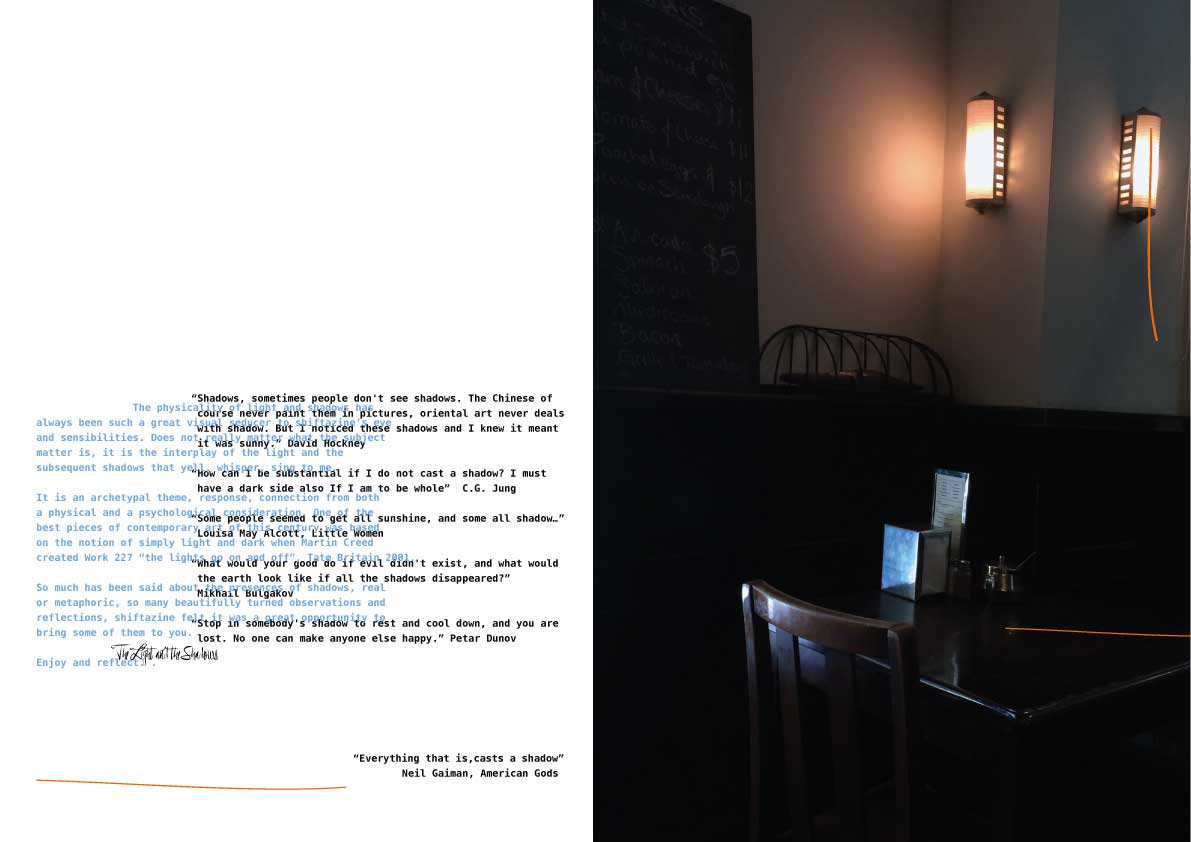

The physical effects of light and the shadows it creates, has always been such a great visual seducer to Shiftazine’s eye and sensibilities. It does not really matter what the subject matter is, it is the interplay of the light and the subsequent shadows that yell, whisper and sing to me. It is an archetypal theme, response, connection from both a physical and a psychological point of view.
One of the best pieces of contemporary art of this century in relation to this topic, was based on the notion of an empty room with a light switch that can be switched on and off. It was Martin Creed’s ‘Work 227’ winning the Turner Prize for the Tate Modern with “the lights go on and off”. (Tate Britain 2001).